
Super Intelligence needs boundaries. Here’s where to start.
Claude Code, Cursor, Codex and the next wave of assistants are getting more responsibility. Here’s how small businesses, and the MSSPs protecting them, can keep control.
A practical approach to Super Intelligence security: discover your agents, protect sensitive actions, and build an ongoing customer service around OpenLeash.
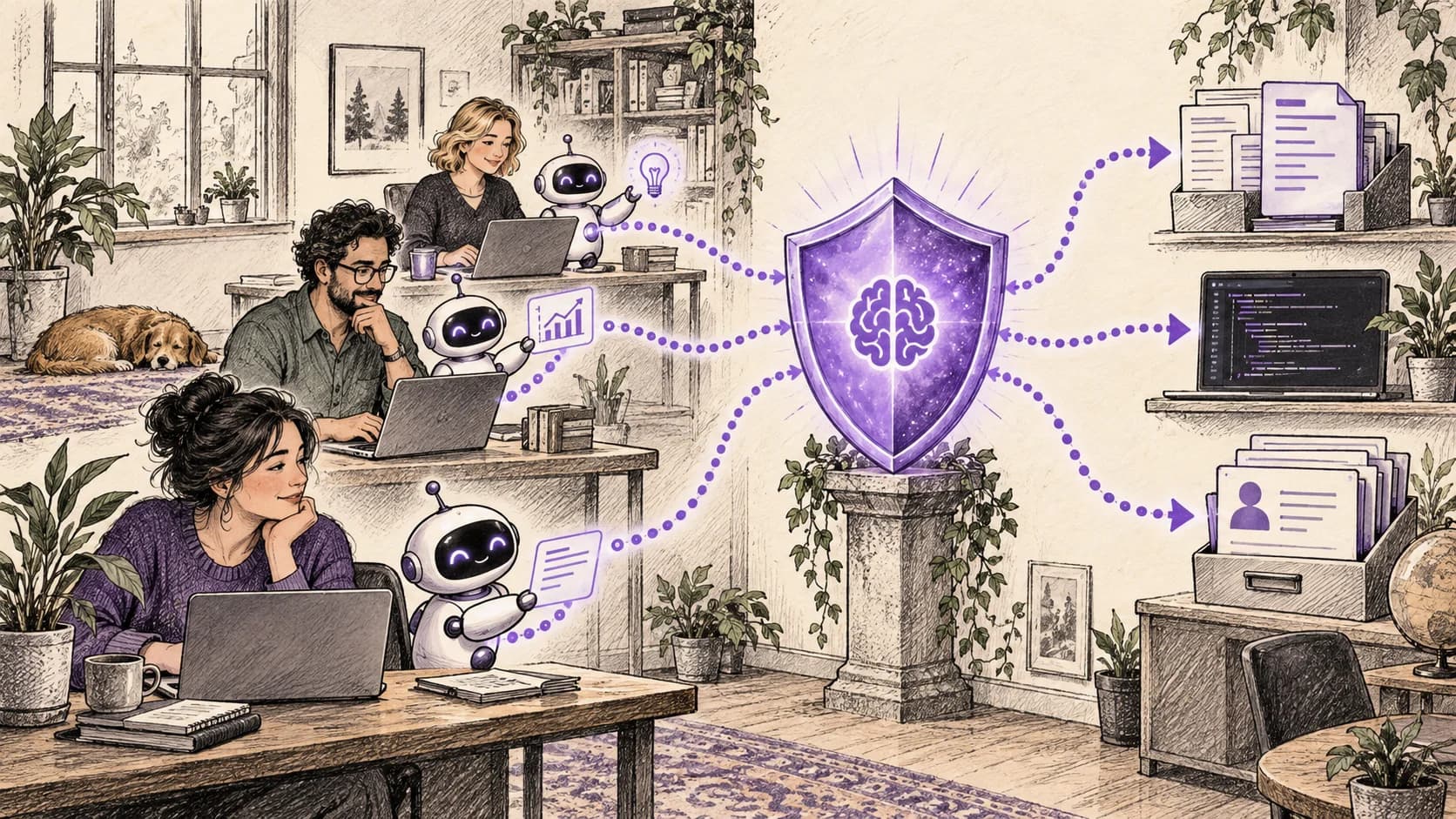
A big new name. A very familiar business problem.
Claude Code. Cursor. Codex. Personal assistants that can open files, use tools and get work done while you’re doing something else. For a small business, that extra pair of hands is hard to turn down.
Now the name is getting bigger, too. President Trump’s September 29 executive order brought ‘Super Intelligence,’ or SI, into the federal vocabulary. The order currently uses the existing legal definition of AI; the label alone doesn’t mean these tools have become superhuman.
But their access is already worth taking seriously. If an assistant can read your customer files, run commands or change a project, someone needs to decide where its permission ends. That applies just as much to a ten-person agency as it does to a large organization.
Let it help. Put a person in charge of the risky parts.
Imagine asking an agent to tidy up a project. You want the boring cleanup done. You probably want a second look before it deletes a folder, touches production or sends company data somewhere new.
OpenLeash helps teams put those boundaries into everyday work. Start with an assessment of a company computer to discover supported agents and the configuration around them. Then use OpenLeash Desktop and the company workspace to apply controls, review activity and keep approvals connected to the action that needs them.
- See what’s there: supported agents, tool connections, permissions and findings from the assessment.
- Set the boundaries: block risky actions or require approval where OpenLeash has a supported enforcement integration.
- Keep people accountable: connect devices and agent activity to employees, then review what needs attention.
The useful question is simple: what can this agent do with our company’s access?

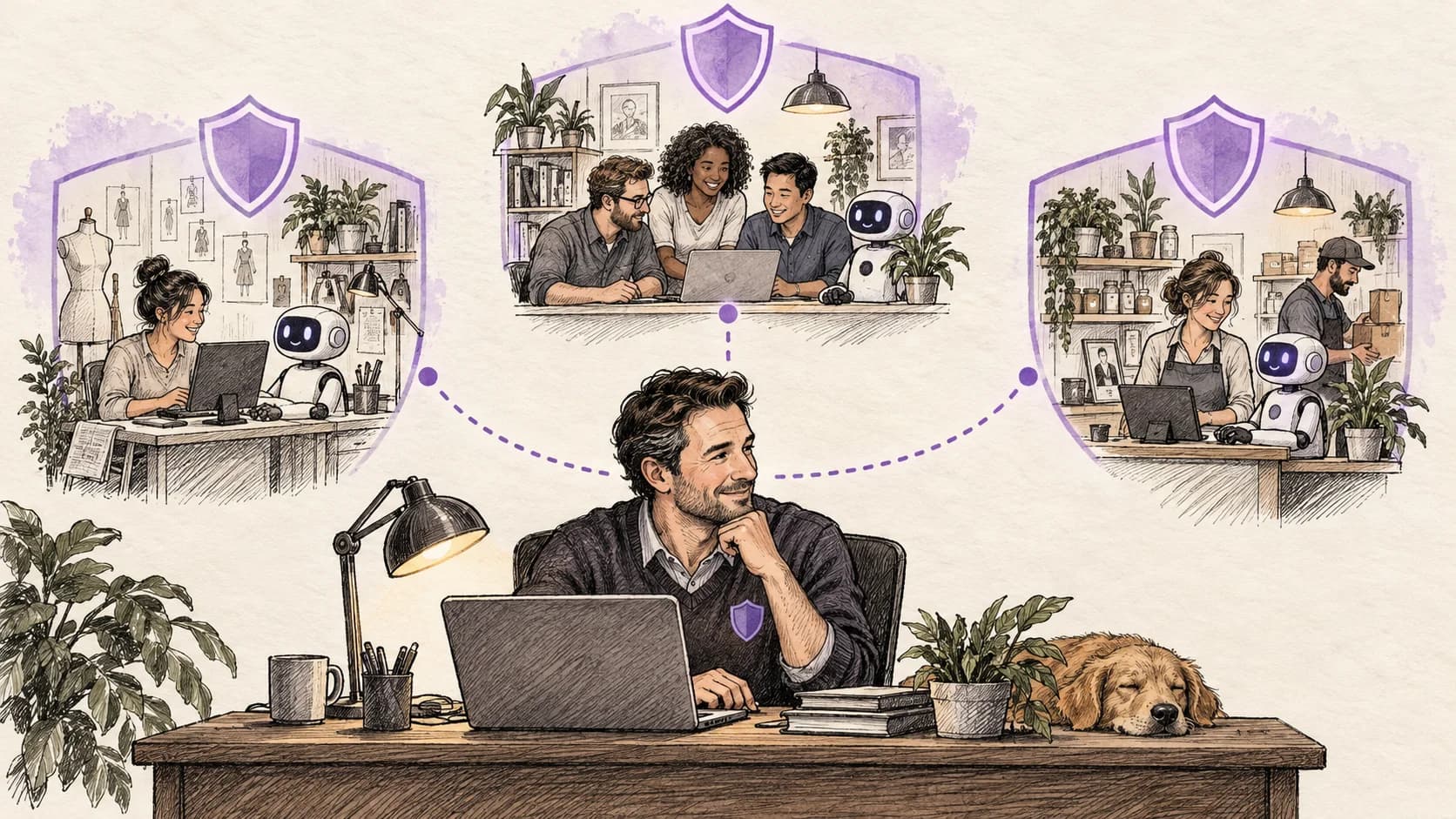
MSSPs: this is a service your customers can understand.
A managed security service provider doesn’t need to sell a customer on the entire SI debate. Ask them which agents their team uses, and whether anyone has checked what those agents can access. That’s a useful conversation with an owner who already has too much on their plate.
OpenLeash can be part of a practical service offering: assess the customer’s devices, explain the findings, agree on a few sensible rules, deploy protection for supported agents, and review activity together over time. Keep each customer’s permissions and deployment requirements clear.
The ongoing work matters. People install new tools. Projects pick up new integrations. An assistant that had limited access last month may have a very different reach today. Your value is helping the customer keep up, with understandable decisions and someone to call when an approval needs context.
Start with one computer and one real workflow.
You don’t need a giant rollout to get something useful. Pick a computer where an agent is already doing work. Run the free assessment. Review what it finds with the person using it, and choose the actions that should need approval.
Check coverage before promising protection: local discovery, activity visibility and pre-action enforcement are different capabilities. Cloud-only assistants depend on the integrations and evidence their vendors expose.
That’s a good starting point for a business, and a concrete first engagement for an MSSP. Bring the productivity. Keep the responsibility. OpenLeash helps you put both in the same workflow.